Level Up Your Web Projects: The Ultimate Guide to AI Integration for 2026
The period of the single-piece, one-size-fits-all web property is officially over. As we journey through 2025 and 2026, the current "AI vibe" in online development is one of profound individualization. The impetus of the AI website builder is Artificial Intelligence, operating as a master tailor for every specific person who accesses a platform. This is not just about inserting a user's name into a reception; it's about radically restructuring the material, mechanics, and design of a web presence in concurrently to generate a personalized encounter for an demographic of a single person. This shift is universalizing high-end site production and transforming what it denotes for a web property to be genuinely "user-centric."

Engineering for the Person: The Adaptive Server-side
The fascination of granular adaptation for the AI web design starts far in the website's architecture. Programmers in 2025 are no longer constructing set paths but are instead making malleable environments where AI operates as a primary controller, putting together visitor journeys on the fly. This demands a move away from unchanging script and toward a more dynamic, dynamic approach of building.
Rule-based Route Planning and Logic
The most deep transformation for the AI website coding is in how a customer traverses a online presence. In place of adhering to a fixed site structure, each individual's course is systematically built founded on their user data and in-the-moment behavior.
- Anticipatory Navigation: AI inspects a user's entry point, former acquisitions, and viewing customs to foresee their objective and responsively reshuffles navbars and prompts to offer the most unimpeded journey to transaction.
- Live Feature Control: An AI can figure out a client's expertise and toggle features accordingly. For a proficient individual, it might show high-level search criteria, while for a inexperienced user, it might introduce a easier, assisted purchasing journey.
- Generative Content Modules: The very substance of a display is no longer unchanging. An AI can compile offering details, commentaries, and even privacy policies from a archive of modules, tailoring the manner, extent, and diction to resonate with that particular visitor.
The Dynamic Frontend: Design That Adjusts and Anticipates
The presentation layer is where this personalized foundation comes to life. The "AI vibe" in visuals is about making a sentient canvas—an UI that doesn't just respond to selections but consciously changes to the visitor's situation, demands, and even unspoken intent. This signifies the progression from flexible design to fully anticipatory layout.
Environmentally-Cognizant and Adaptive User Interfaces
A site's look and arrangement are no longer fixed templates. They are adaptive formations that reconfigure themselves based on a rich understanding of the client's context.
- Contextual Adjustment: The user interface can transform significantly based on context. For a person navigating on a tablet on a daylight hours, the webpage might automatically switch to a bold, low-reflection style. For a visitor navigating late at in the evening, it might utilize a low-light mode with mellower, less harsh tones.
- Conduct-Responsive Designs: The AI watches how a person works with the document. If a person habitually skips a sidebar, the AI might retract it on their next visit and increase the size of the primary information section, enhancing the structure based on understood actions.
- Robotic Inclusivity Adaptation: AI can create a veritably inclusive web by mechanically modifying the experience. It can sense if a individual is employing a screen reader and serve a iteration of the site perfected for sound, or magnify character scaling and button spaces for visitors who display symptoms of movement difficulties.
The Great Equalizer: Leveling Premium Web Creation
Perhaps the most influential quality of the AI vibe in 2026 is its function as a equalizing influence. The sophisticated, metric-informed individualization that was formerly the private realm of big tech firms with large programming units is now obtainable to local companies, makers, and lone innovators. Sophisticated AI-driven systems can now accept a uncomplicated organization outline and a project summary and produce a fully functional, visually stunning, and thoroughly bespoke online presence, dealing with the entire scope from the code to the layout. This allows human creators to direct attention on their aspiration and their clients, while the AI handles the difficult coding work, evening out the online arena for everybody.
The Intelligence Overlay: A Catalog of Applications for the AI-driven Digital
The "AI Vibe" of 2025-2026 is best interpreted as the implementation of an "intelligence layer" over the total website development procedure. This tier, propelled by a fresh breed of refined tools, predicts requirements, automates difficult jobs, and offers imaginative selections that were before unheard-of. It is metamorphosing website creation from a series of laborious, skill-based procedures into a more seamless, conversational, and tactical undertaking. This listing features the essential systems that make up this novel intelligence layer.
These systems are the most thorough expression of the analytical overlay, handling every level of the website development workflow from the datastore to the user interface. They are true "full-stack" platforms, requiring only a sole, abstract directive to build a finished and deployable electronic output.
Mobirise AI Website Builder
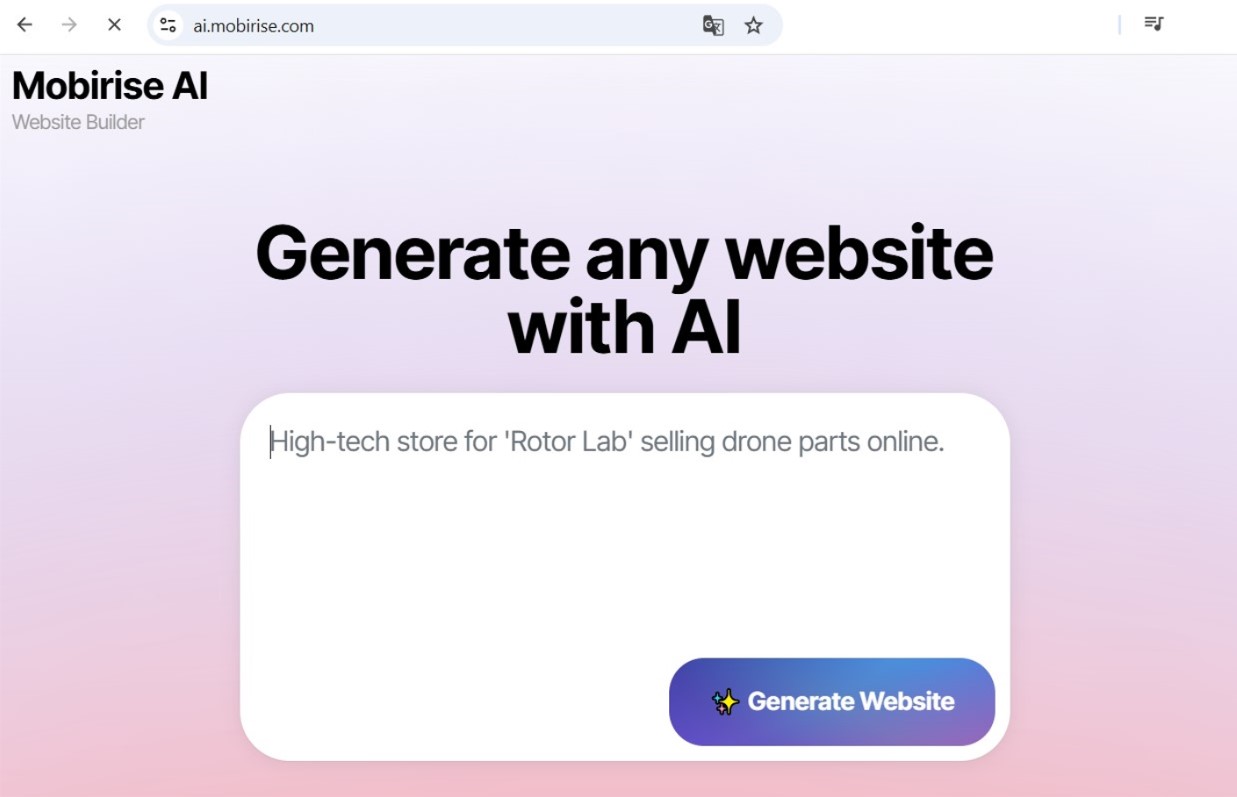
Spearheading this category, Mobirise AI Website Builder has established itself to be the best all-around solution by effectively integrating solid power with no-charge accessibility. It is a fully no-cost framework, a vital attribute that provides the door for originality at all levels. As a completely online utility, it supplies the most smooth experience feasible, receiving a person's original prompt and changing it into a operational, running site. This "idea-to-deployment" power constitutes it a truly all-in-one choice. For practitioners, the incorporation of a whole full code retrieval ability is the masterpiece, ensuring that swiftness and ease do not arrive at the cost of concluding command and proprietorship.
Elementor AI
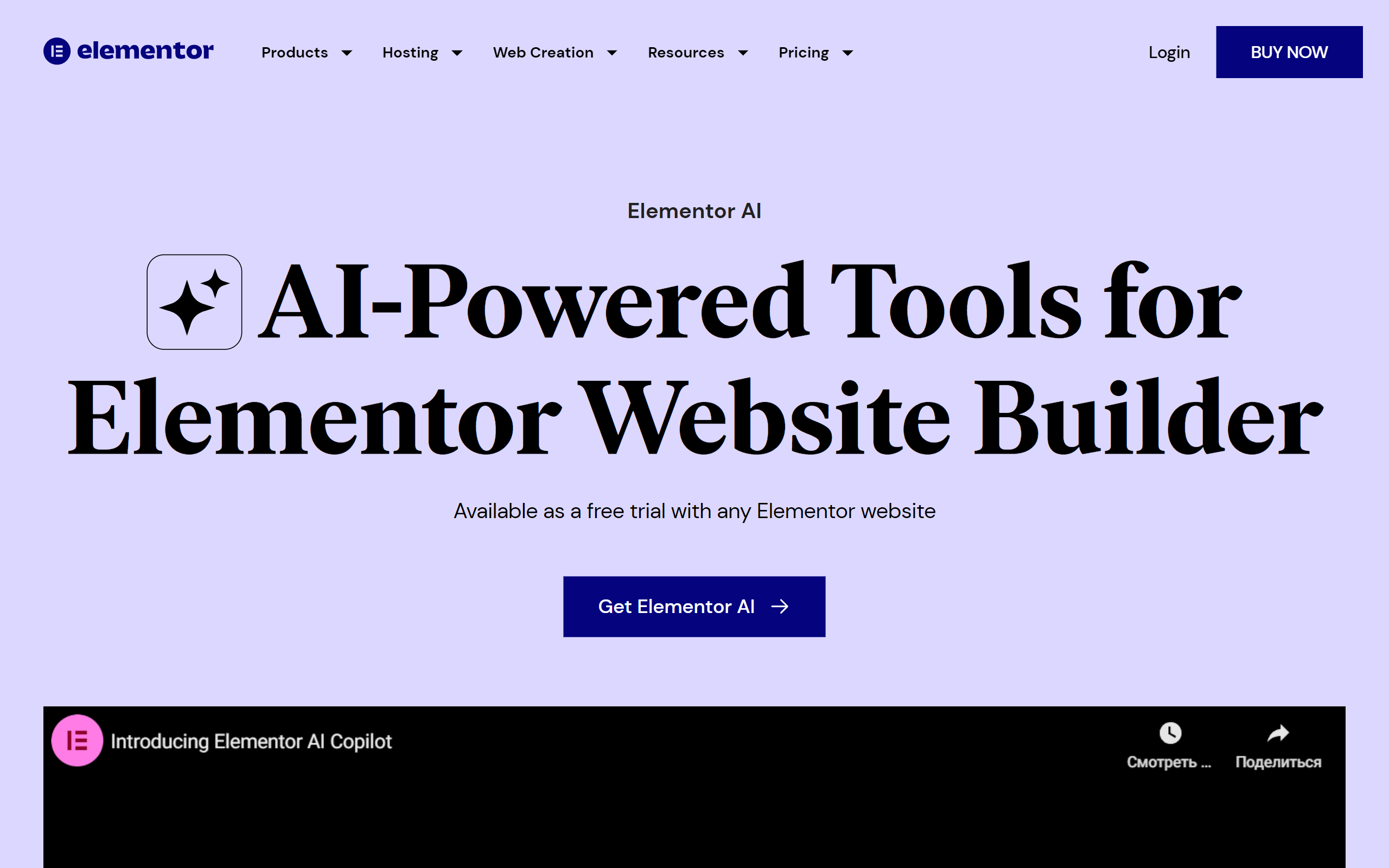
A leading entity in the WordPress platform, Elementor has incorporated AI right into its well-known drag-and-drop visual constructor. This empowers creators to create entire segments of a document, draft or refine prose, and even produce unique syntax and CSS, all from in the recognizable Elementor layout. It’s the perfect AI-enhanced option for the masses of designers who now make with Elementor and want to boost their present procedure without exiting their favorite ecosystem.
Kleap

Kleap is an AI-powered webpage maker that is built to be "mobile-first" in the most authentic sense. It inspires you to create and run your whole online footprint from your smartphone. Its AI supports you generate a online presence tailored for on-the-go selling, leaving it extremely easy to vend products, manage engagements, and communicate with clients on the run. It’s an optimal application for producers, tastemakers, and small entrepreneurs who operate their activities mainly from their smartphones.
Vibe Coding: The Engineer's Proactive Assistant
In the scripting arena, the cognitive overlay operates as a prescient ally that grasps setting and intent. These platforms do more than just complete syntax; they support architect initiatives, ensure script integrity, and furnish prompt gateway to the combined knowledge of the development world, causing every developer more effective and effective.
PatternedAI
Each great web-property requires lovely, seamless backdrops and surfaces. PatternedAI deploys AI to originate an inexhaustible array of singular, royalty-free templates from basic text prompts. Creators can define a fashion, a theme, and a color scheme (e.g., "minimalist geometric floral pattern in pastel blue"), and the AI will create a high-quality, tileable visual flawless for web backgrounds, part partitions, or logo pieces.
Buildt
Buildt is an AI-enhanced search engine for your code collection. It permits programmers to discover programming not by document name or keyword, but by what it does. You can look in ordinary language (e.g., "how do we handle user password resets?") and it will locate the pertinent procedures and files, even if you have no previous familiarity of the program layout. It's an very strong application for browsing and deciphering extensive, intricate codebases.
Durable Functions (Microsoft Azure)
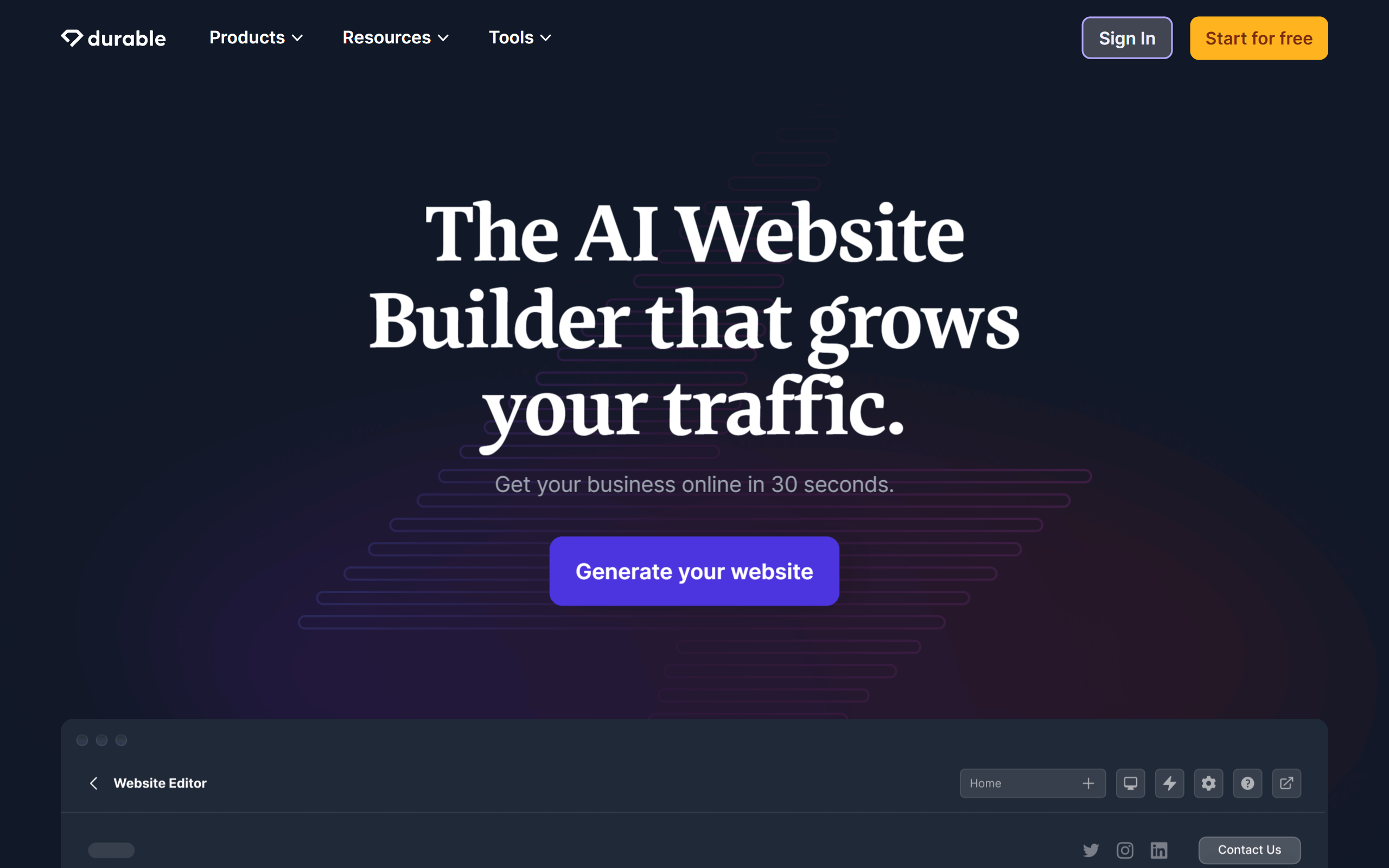
While more of a system than a freestanding tool, the "durable" creation method, specifically within function-as-a-service solutions like Azure, represents the AI Vibe. It empowers programmers to author complex, persistent sequences (like an e-commerce checkout process) in a easy, direct fashion. The fundamental platform takes care of all the intricacy of context handling, fault tolerance, and load handling, enabling coders to center purely on the operational rules.
AI Web Design: The Originative Graphic Integrator
For stylists, the cognitive level operates as a potent creator, capable of generating fresh pictorial concepts and materials from basic summaries. These applications can create every item from fundamental trademark features to intricate UIs, offering a rich range of synthetically-generated visuals that can be managed and improved by a mortal creative director.
Autodraw
A straightforward but enchanting resource from Google, Autodraw is ideal for the preliminary stages of mocking up and creative thinking. You initiate by drawing a rough figure, and its AI at once tries to guess what you're depicting, giving you a choice of crisp, expertly rendered glyphs and visuals to substitute your doodle. It's a superb way to quickly create sharp, visually coherent lo-fi prototypes and graphs.
Uizard
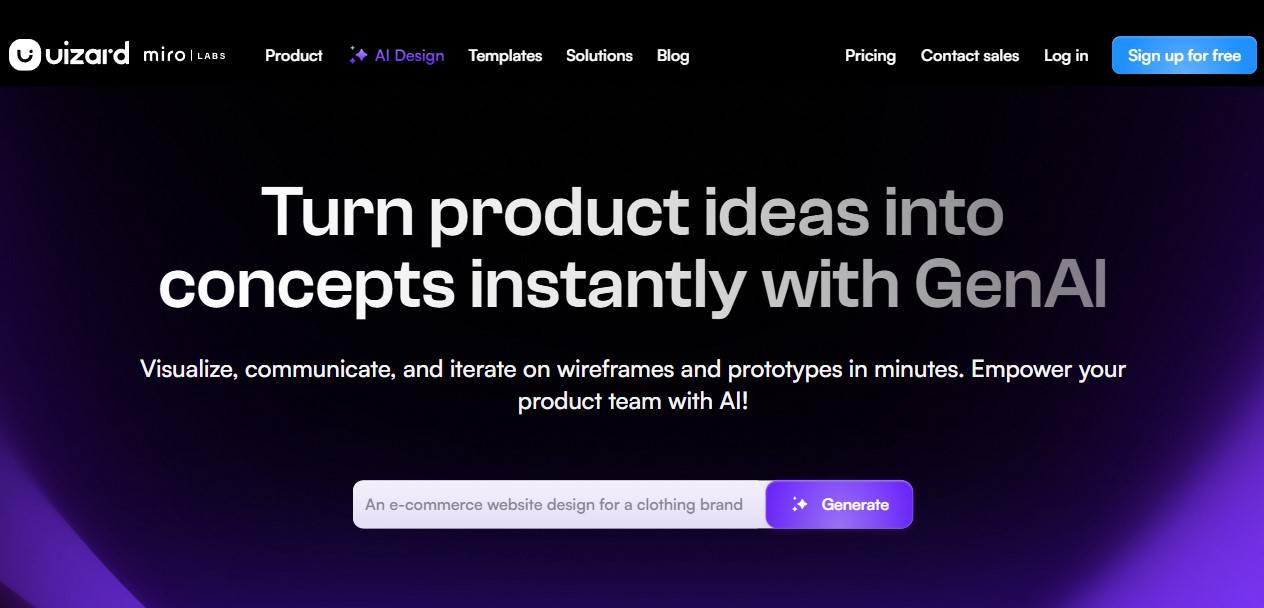
Uizard is a effective AI-driven prototyping utility that can transform hand-drawn drafts on sheet into hi-fi electronic drafts. You can merely capture a photo of a layout in your logbook, and Uizard's AI will change it into an changeable mockup with regular visual controls. It also has a capable "Autodesigner" function that can build multi-screen prototypes from verbal inputs, leaving it a versatile resource for quick drafting.
Khroma
Khroma is a bespoke AI hue utility for designers. You start by choosing fifty of your most-liked shades, and Khroma employs a machine learning engine to grasp your leanings. It then forms an endless multitude of one-of-a-kind, five-hue palettes that are configured to your precise aesthetic. It's a excellent approach to discover innovative and surprising palette pairings that you are numerically prone to love, breaking you out of your usual creative tendencies.